
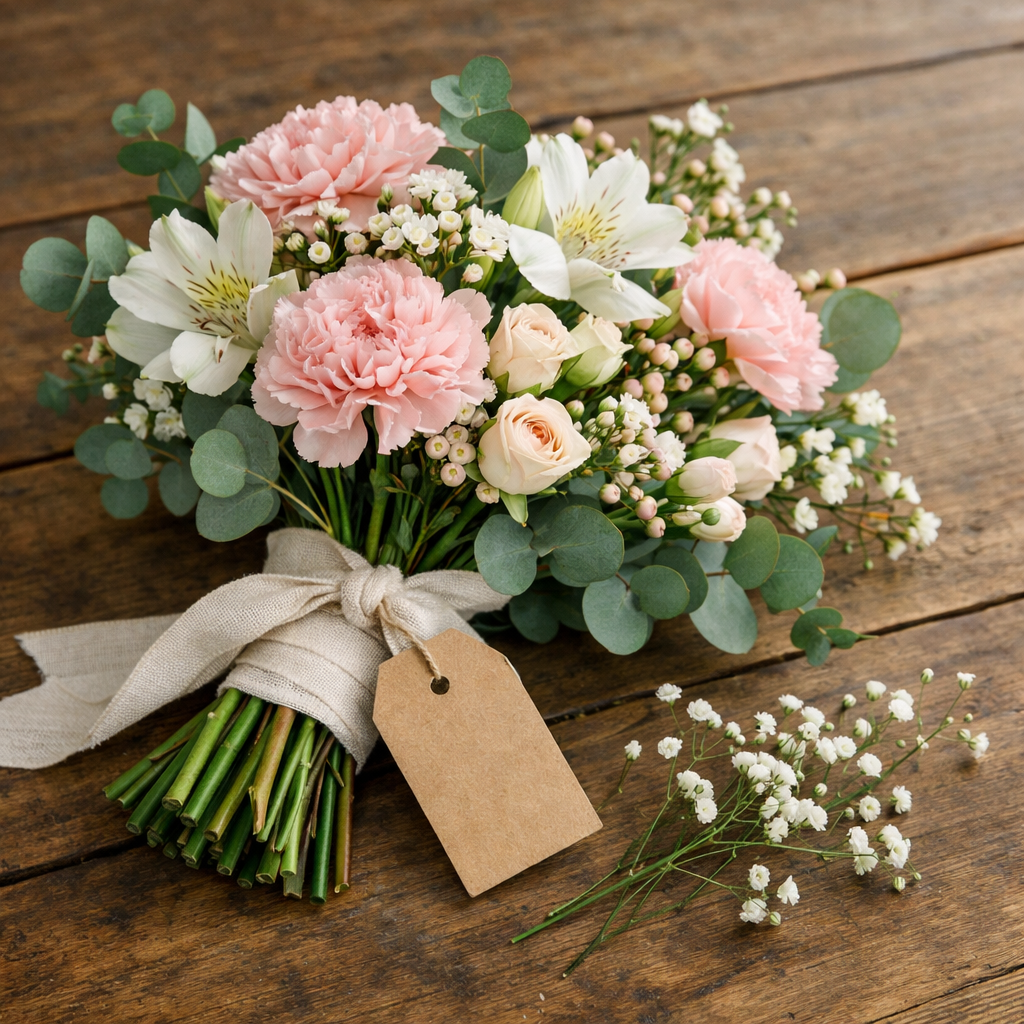
15 Cheap Wedding Flowers That Last, Impress, And Stretch Your Budget
If you’re planning a beautiful wedding while juggling nap schedules, Slack pings, and your own mental health, welcome—you’re my people. Let’s get you answers fast: What are the cheapest wedding flowers available? In short, think sturdy, in-season stems and smart fillers. “Cheapest wedding flowers” typically means budget-friendly blooms around $1–$4 per stem plus greenery under $1 that deliver volume, durability, and style without luxury-price premiums. For example, carnations and mums often run $1–$2 per stem and can last up to two weeks; alstroemeria averages $1.50–$3 with a 7–10 day vase life; and common greenery is frequently under $1 per stem, per this guide from wholesalers and designers (see pricing snapshots in these cost-effective wedding flower options). (pricing source)
Quick list: budget blooms and greenery that look luxe
- Carnations — ultra-affordable ruffles that last and photograph full
- Alstroemeria — multiple blooms per stem; long-lasting texture
- Spray roses — tiny garden-rose vibe from one branching stem
- Chrysanthemums — durable poms, spiders, and cushions for mass
- Tulips — chic lines; doubles can mimic peonies in spring
- Lisianthus — soft, romantic peony/rose look on a budget
- Hydrangea — big heads mean fewer stems needed
- Dahlias — bold late-summer/fall focal blooms; weather sensitive
- Calla lilies — sleek stems; fewer flowers, big impact
- Statice — cheap, colorful filler that dries beautifully
- Baby’s breath — airy, cloud-like volume for pennies
- Eucalyptus — affordable greenery for movement and scent
- Leatherleaf fern — sturdy base greenery to bulk up designs
- Spray chrysanthemums — branching poms perfect for massing
- Sola wood flowers — realistic, dyeable, reusable
- Real-touch silk flowers — durable faux stems that read real in photos
A Day in Mollywood
Hi, I’m Molly. I built A Day in Mollywood to help you balance beauty, budget, and sanity—because wedding planning happens in real life, right alongside carpools, meal prep, work deadlines, and the self-care you’re trying to protect. This guide keeps it practical and photo-first, so your flowers look elevated without the stress. Have a question or story idea? Reach me via the contact form or info@adayinmollywood.com—my inbox is open.
Carnations
Carnations top nearly every “cheapest wedding flowers that last” list for a reason: they’re ultra-affordable, long-lasting, and lush in clusters. At roughly $1–$2 per stem and with a vase life up to two weeks, they deliver serious value.
For a modern look, create mono-botanical bouquets in a single color and pack them tightly. Choose ruffled varieties to mimic peonies affordably, and consider dyeing to match your palette precisely.
Alstroemeria
Also known as Peruvian lilies, alstroemeria brings texture and multiple blooms per stem, which stretches your budget in bouquets and centerpieces. Expect about 7–10 days of vase life and pricing around $1.50–$3 per stem.
Pair with eucalyptus for instant volume on a dime. Mix with spray roses to achieve a romantic, garden-inspired look using fewer premium focal flowers.
Spray roses
Think of spray roses as the tiny garden-rose dupe. Each stem carries multiple blooms, making them a cost-effective filler that still reads romantic in photos.
They’re perfect for boutonnieres, corsages, and bridesmaids’ bouquets. Combine with lisianthus for ruffled texture and movement—no peony pricing required.
Chrysanthemums
Mums are the MVP of budget centerpieces thanks to durability and variety (poms, spider, cushion). At roughly $1–$2 per stem and lasting up to two weeks, they’re built for long wedding days.
Use spider mums as focal blooms and poms for massing. For an elevated feel, stick to monochrome palettes—think all white or all blush.
Tulips
Tulips are a simple, chic spring option that feel designer without the designer price tag. They’re widely available December through April and come in many forms, including fringed, double, and Rembrandt types, with useful spring bulk pricing guidance here. (spring forms and bulk tips)
Double tulips can mimic peonies in-season. Keep stems long and the design minimal for modern elegance.
Lisianthus
Lisianthus offers a soft, ruffled look that echoes roses and peonies in romantic palettes. It typically runs $2–$4 per stem and lasts about 5–8 days—solid value for a luxe feel.
Use lisianthus in bridal bouquets for impact without peony premiums. Pair with spray roses and baby’s breath for airy, pillowy texture.
Hydrangea
Hydrangea is a high-impact, low-stem-count solution for arches and centerpieces because each head covers serious real estate. It’s a perennial favorite in roundups of popular wedding flowers and often used as bulk filler to stretch designs. (popular wedding flowers)
Hydrate well and mist to prevent wilting, especially outdoors. Use hydrangea as a base for volume, then tuck in a few focal blooms sparingly.
Dahlias
Dahlias are bold, photo-forward face flowers ideal for late summer to fall weddings, especially when sourced locally. They can be large and dramatic but don’t always ship well and dislike extreme heat, so plan designs accordingly. (dahlia availability and care)
Treat them as your focal moment and avoid prolonged sun or high-heat exposure. Stabilize arrangements with sturdy fillers for security.
Calla lilies
Callas offer sleek, sculptural lines that make a statement with fewer stems—great for minimalist budgets. Large stems can help you use fewer flowers overall, though pricing is commonly comparable to roses and peonies, and micro vs. standard sizes can scale designs efficiently.
Opt for a few long stems in a hand-tied bouquet for instant impact. They’re also fantastic for aisle markers and modern boutonnieres.
Statice
Statice is a budget-friendly filler—or a minimalist focal—that dries beautifully for keepsakes. Often priced under $2 per bunch and with a long vase life, it brings color and texture without fuss.
Use statice for color pops in boho or coastal palettes. Consider take-home dried bundles as favors.
Baby’s breath
Baby’s breath creates cloud-like volume at very low cost—often under $2 per bunch—and it dries well. In mass, it reads ethereal and high-end.
Build airy arches, backdrops, or aisle markers using bundles. For subtle dimension, tint or spray to shift tones.
Eucalyptus
Eucalyptus is a high-value greenery that fills space, adds movement, and smells fresh. It’s often under $1 per stem and lasts well across a full wedding day.
Create table garlands instead of expensive floral runners. Mix varieties like seeded and silver dollar for layered texture.
Leatherleaf fern
Leatherleaf is a classic, sturdy greenery that bulks up bouquets and centerpieces affordably. As with many green fillers, stems are often under $1 and last well.
Use it as a base layer to reduce premium bloom counts. It’s also great in boutonnieres to frame small floral buds.
Spray chrysanthemums
Spray chrysanthemums (poms) are small-headed, branching stems perfect for massing in budget centerpieces. Mums and poms typically run $1–$2 per stem and can last up to two weeks.
Create mono-color masses for a modern, abundant look. Layer with baby’s breath to add softness and airiness.
Sola wood flowers
Sola wood flowers are hand-crafted blooms made from the soft, cork-like bark of the tapioca plant. Lightweight and easily dyeable, they offer a realistic, matte look that won’t wilt, making them ideal for keepsakes, destination weddings, and travel logistics. They’re customizable, reusable, and perfect for statement installs without day-of risk.
Use sola wood for large arches or ceiling pieces to cut replacement risk. Blend with fresh personals for scent and sweet, in-the-moment sentiment.
Real-touch silk flowers
Real-touch silks are high-end faux stems with natural texture and a matte finish that reads convincingly in photos. Bulk artificial stems can be as low as $1–$3, while premium real-touch typically ranges $5–$10 per stem; the faux route is durable, allergy-free, and fully customizable months ahead. (real vs. fake wedding flowers)
They’re ideal for destination or hot-weather weddings where wilting is a concern. Assemble designs in advance to smooth timelines and reduce stress.
How to stretch your floral budget without stress
Here’s a calm blueprint you can follow between school drop-offs and vendor emails:
- Set your baseline: allocate 8–10% of your total budget to florals; increase if flowers are a priority. (wedding flower cost breakdown) (typical flower budget percentages)
- Shop in-season/local; build volume with fillers and greenery; and repurpose ceremony arrangements to the reception.
- Consider a hybrid plan: real personals (bouquet, boutonnieres) plus faux or sola for large installs.
Save vs. Splurge (sample swaps)
| Area | Save (smart swaps) | Splurge (high-impact moments) |
|---|---|---|
| Bouquets | Bridesmaids: spray roses + mums + eucalyptus | Bridal bouquet: lisianthus + spray roses focus |
| Altar | Baby’s breath clouds + eucalyptus base | Ceremony focal: add callas or statement dahlias |
| Tabletops | Eucalyptus garlands + poms; bud vases with alstroemeria | Sweetheart table: hydrangea base + focal accents |
Where to splurge vs. where to save for photos that matter
Put dollars where eyes and cameras linger. Splurge on the bridal bouquet ($100–$350), ceremony focal, and sweetheart table—these deliver the most photo impact. Save on guest tables (greenery runners), aisle markers (baby’s breath), and bar/buffet accents; repurpose ceremony florals to reception.
For context, a mid-range floral spend often lands around $2,500–$7,000, and example math can reach ~$13,000 at $85/guest for 150 guests—so tailor choices to your priorities. (what wedding flowers really cost)
DIY or hire a florist
Weigh control and savings against time, skill, and stress. Real flowers bring fragrance, texture, and seasonal symbolism, but they’re perishable, can be fragile, and may carry out-of-season premiums or allergy concerns. Faux stems are durable, long-lasting, allergy-free, and pre-assemblable months ahead, but not all materials look natural or are biodegradable.
Action plan: If DIY, order fillers and greenery in bulk and keep designs simple. Consider hiring a pro for personals or complex installs to protect your timeline and sanity.
Seasonal choices and sourcing tips
Work with the calendar to avoid premiums and wilt risks—especially for travel-heavy plans.
- Peonies: late spring/early summer; pricier and seasonal April–June.
- Tulips: December–April (many forms); dahlias: mid-summer to autumn; hydrangea: mainly summer.
- Book florists 6–12 months ahead for peak-season favorites; for simple DIYs, consider wholesale for a lower cost per stem.
Month-by-month budget-friendly ideas
- Jan–Feb: carnations, alstroemeria, tulips, eucalyptus
- Mar–Apr: tulips (all forms), spray roses, baby’s breath
- May–Jun: peonies (splurge), lisianthus, hydrangea, spray mums
- Jul–Aug: hydrangea, lisianthus, eucalyptus, leatherleaf
- Sep–Oct: dahlias, mums, statice, spray roses
- Nov–Dec: carnations, baby’s breath, evergreen greens, spray chrysanthemums
Repurposing ceremony flowers at the reception
Make repurposing part of the plan from the start. Move altar arrangements to the sweetheart or head table; transfer aisle posies to cocktail tables or restrooms for a budget-friendly refresh.
Assign a point person to handle the move, and use modular designs (foam-free cages, compotes) for quick transfers. A simple placement map will streamline vendor and volunteer setup.
Frequently asked questions
What are the cheapest wedding flowers that still look luxe in photos?
At A Day in Mollywood, we lean on carnations, mums, alstroemeria, spray roses, baby’s breath, and eucalyptus—they’re reliably cheap and long-lasting. Cluster them in monochrome palettes and add a few focal blooms for a high-end look on a small budget.
How can I make budget flowers last all day, especially in heat?
Choose durable stems (carnations, mums, alstroemeria), keep bouquets in water as much as possible, and use water tubes for bouts and corsages. A Day in Mollywood tip: prioritize shade and hydration; repurpose florals quickly between ceremony and reception.
Is it cheaper to use faux flowers, and will they look real?
High-quality real-touch and sola wood stems can cost less overall for large installs and can be assembled months ahead. They photograph beautifully, avoid wilting, and are allergy-friendly—great for hot days or destination weddings—and we often recommend them for big backdrops.
What’s the best mix of real and faux to cut costs but keep sentiment?
Keep real personals for scent and tradition (bridal bouquet, boutonniere) and use faux/sola for arches, ceilings, and big backdrops. It’s the mix we favor at A Day in Mollywood because it cuts costs, reduces stress, and still feels meaningful in person and in photos.
How far in advance should I book or buy to get the best prices?
On A Day in Mollywood, we suggest booking florists 6–12 months ahead for popular dates and seasonal blooms, and ordering faux/sola months in advance to assemble at a calm pace. Early planning locks availability and prevents last-minute premiums.