
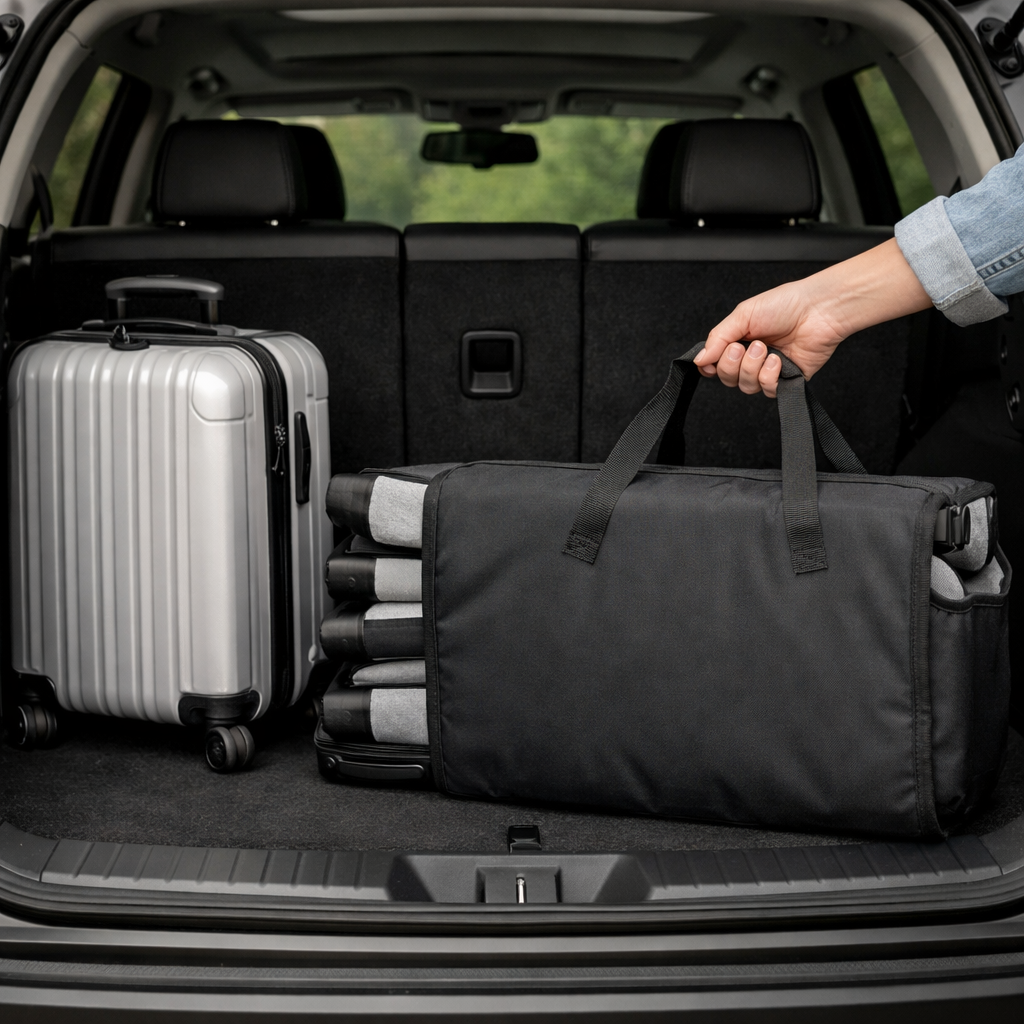
Most Packable Compact Cribs for Road Trips, Tested by Parents
As a mom of three who’s logged plenty of miles with babies in tow, I know the difference a truly packable crib can make on sanity and sleep. If you’re hunting for the most compact cribs for road trips, here’s the quick take from A Day in Mollywood: choose a packable crib that folds flat, weighs light enough to lift solo, and sets up in minutes—priorities echoed by both lab and parent testing. A compact or mini crib is a smaller-footprint crib or travel crib designed to save space and pack easily. Look for light weight, flat or mini folds, and tool‑free setup layered on CPSC/JPMA safety and a snug mattress fit. Those details reduce sleep risks and arrival stress in unfamiliar rooms, according to Consumer Reports and other testers. For families comparing a mini crib vs travel crib or travel play yard, the picks below favor folding mini crib designs with JPMA certified safety and GREENGUARD Gold finishes where available, so your road setup stays simple, safe, and calm. For more travel-tested baby gear, browse our travel crib stories on A Day in Mollywood.
A Day in Mollywood
I’m Molly—mom of three and the voice behind A Day in Mollywood—where I cover parenting, travel, mental health, self‑care, home, and food without the performative gloss. You’ll find honest, practical picks that balance safety, budget, and your sanity.
Every crib we recommend at A Day in Mollywood is selected for features parents actually use on trips: fast setup, compact folds, and manageable weight, plus safety checks that align with CPSC/JPMA guidance on slat spacing, hardware integrity, and labeling (as reinforced by Consumer Reports’ crib testing). Skim the comparison notes and “How we tested” criteria, then choose the road‑trip crib that fits your trunk, timeline, and tolerance.
Babyletto Origami Mini Portable Crib
If you’re short on space and want a real-crib feel on the road, the Origami Mini is consistently highlighted for a fold‑flat design and rolling casters that make room‑to‑room moves easy in rentals and grandparents’ houses. It’s a true mini crib: smaller footprint than full‑size, takes standard mini crib mattresses, and typically uses mini fitted sheets from Babyletto or other mini‑sizing brands. The fold is slim and simple, making it easy to lay flat in a trunk between bags.
Parents like that many modern mini cribs in this class use low‑emission finishes (GREENGUARD Gold is a common certification among design‑forward brands), and the rigid frame helps the mattress fit snugly—important because a gap‑free mattress reduces entrapment and suffocation risk. Consumer Reports stresses that tight fits and sturdy construction matter as much on the road as at home.
Best for: compact cars, apartment stays, and families who want a real-crib sleep surface without a bulky frame.
References for criteria and approach: see Consumer Reports’ crib testing on safety and assembly and SafeWise’s roundups noting the importance of portability for travel.
Maki Portable Folding Crib
Prefer a full‑size sleep surface that still collapses? The Maki is designed to fold toward the frame, so you keep a standard-crib interior while gaining a reasonably flat profile for transport. Parents report the fold is doable for one person with practice; setup is straightforward and mostly tool‑free once the frame is assembled the first time.
Compared with the Origami Mini, the Maki’s footprint is larger in use and slightly thicker in its folded state. It’s heavier than a mini crib, but easier to live with on the road than a non‑folding full‑size. That tradeoff—space and weight for full‑size sleep—may be worth it if your baby sleeps best in a bigger crib.
Simple comparison to help you decide:
- Footprint in use: Origami Mini (smaller) vs Maki (full‑size)
- Folded shape: Origami Mini (slimmer flat fold) vs Maki (flat fold, thicker)
- Weight carry: Origami Mini (lighter) vs Maki (heavier but still movable by one parent)
- Setup speed: Both are quick after an initial build; mini generally edges faster
Ease of assembly and construction quality are two of the exact criteria lab reviewers emphasize, mirroring what matters when you’re tired and just pulled into the driveway after dark.
Nestig The Cloud Crib
Nestig’s The Cloud offers a mini‑to‑full convertible pathway: start with a mini crib for the newborn phase, then reconfigure into a full‑size crib for long‑term use. That flexibility appeals to families who travel occasionally but want a single investment to carry them from the early months through toddlerhood.
Know the tradeoffs: convertibles commonly weigh more and aren’t as quick to stow, which makes them less practical for frequent road trips; a true mini crib is lighter and easier to carry, but doesn’t offer the same years of use. Many premium convertibles pair solid construction with low‑emission finishes like GREENGUARD Gold, which helps indoor air quality in hotel rooms and guest spaces.
If you travel a few times a year and value longevity at home, the Cloud’s convertible design can be the right middle ground. If you’re on the road monthly, a dedicated folding mini or travel play yard will be easier on your back—and your timeline.
Dream On Me Carson
For budget‑conscious families, the Carson line is a value‑forward option for small spaces, with models often cited in “good enough” roundups for price and footprint. It’s not the lightest choice and it usually requires a full assembly, so consider it for trips where you’ll stay multiple nights or leave it stationed at grandparents’.
Set expectations: budget cribs frequently come with assembly variability—misaligned holes and confusing instructions show up again and again in consumer tests. Do a dry run at home, check the hardware bag for completeness, and plan extra time for the first build. On arrival, verify the safety labeling on the crib (JPMA/CPSC/ASTM) and double‑check the mattress fit before bedtime.
Ikea Gulliver
The Gulliver is an ultra‑affordable, compact‑footprint crib that many families keep at a second home or bring along for longer stays by car. It’s a straightforward design with decent value, but long‑term durability and assembly experience vary—some parents breeze through the build; others encounter wobbly joints if hardware is over‑ or under‑tightened.
For road use, pair it with a snug‑fit mattress that meets current standards and inspect the finish. Consumer Reports highlights nontoxic, water‑based paints and kiln‑dried wood as quality markers to look for in construction. Pack an Allen wrench, a small envelope of spare screws, and corner pads for quick touch‑ups when you arrive.
Babyletto Hudson Origami
Origami‑style mini cribs marry modern aesthetics with real travel utility: a fold‑flat frame and casters you can roll down a hallway or into a hotel elevator. Those two features consistently rank as top portability wins in both lab and parent tests—small folded profile and easy movement.
Modern brands in this category often tout sustainably sourced woods and low‑emission finishes; if indoor air quality matters to you on the road, look for GREENGUARD Gold or equivalent. Best for: short trips, apartment stays, and shared rooms where you want a compact, good‑looking mini that moves as easily as it stores.
How we tested and what matters on the road
At A Day in Mollywood, we score travel‑friendly cribs on five pillars: packability, weight/carry, setup speed, safety/mattress fit, and materials/odor/comfort. That mirrors what Consumer Reports evaluates in its lab testing—assembly ease, construction quality, and mattress adjustability—and what real parents feel in their backs and schedules after a long drive.
Quick scoring rubric (0–5 per pillar; total out of 25):
- Packability: 0 = bulky cube; 5 = slim flat fold that stows across a trunk
- Weight/carry: 0 = requires two adults; 5 = one‑hand carry or roll with baby on hip
- Setup speed: 0 = 20+ minutes, tools required; 5 = sub‑5‑minute, one‑person setup
- Safety/mattress fit: 0 = gaps or unclear standards; 5 = snug fit, JPMA/CPSC labeled
- Materials/odor/comfort: 0 = strong odor, rough finish; 5 = low‑emission, smooth finishes
Packability and folded size
Packability describes how small and flat a crib folds and how easily it stores or travels without tools, bags, or bulky parts. Review sites repeatedly call this a key differentiator for travel practicality.
Comparison snapshot:
| Category | Typical folded shape | Bag included | Fits width of sedan trunk | Notes |
|---|---|---|---|---|
| Folding mini crib | Flat/slim | No | Usually yes | Lay flat under suitcases |
| Travel play yard | Compact “tube/cube” | Yes | Yes | Easiest to pack in any car |
| Convertible/full‑size crib | Panels/bulkier flat | No | Sometimes (wagon/SUV) | Better left at destination |
Tip: Write down folded dimensions in inches before you buy and measure your trunk opening—this simple step saves return hassles.
Weight and carry options
Exact weight and carry aids determine whether you’ll actually bring it in from the car at 9 p.m. Lighter cribs and carry features (shoulder straps, wheels) make multi‑stop travel doable. Convertibles can push past 50 lb assembled, which is why they rarely make good frequent‑travel companions; Listful reports an assembled convertible around 52 lb as a representative benchmark.
Add a “carry factor” note for your short list: who can lift it, how far, and whether stairs are involved.
Setup speed and one-person use
After a long drive, sub‑5‑minute setups feel like a gift. Consumer Reports weighs assembly ease and clear instructions in its reviews—two factors that directly reduce on‑arrival stress.
First‑setup checklist:
- Do one full build and teardown at home; time it.
- Label hardware in small bags; photograph each step.
- Confirm the mattress fit and sheet sizing; pack the same set you tested.
- For folding cribs, practice the sequence for collapsing and locking wheels.
Common pain points to watch for: misaligned holes, missing tools, and confusing diagrams—frequent complaints in crib testing.
Safety certifications and mattress fit
JPMA/CPSC compliance indicates a crib meets current safety standards for slat spacing, hardware integrity, and required labeling. Always pair the frame with a flat, snug‑fitting mattress to eliminate gaps around the edges. Many modern cribs also carry GREENGUARD Gold to verify low chemical emissions—helpful in closed hotel rooms.
Reinforce safe sleep: keep sleep flat and firm; inclined products are for awake time only. SafeWise notes that sleep‑related infant deaths rose almost 12% between 2020 and 2022—one more reason to follow safe‑sleep rules closely on the road.
Materials, odor, and travel comfort
Consumer Reports points to nontoxic, water‑based paints and kiln‑dried wood as signs of consistent build quality and fewer finish issues. To minimize off‑gassing, unbox early and air out components 24–72 hours before your trip; use breathable, well‑fitting sheets.
Pack this mini kit:
- Two fitted sheets (sized to your exact mattress) and a waterproof pad
- Allen wrench, screwdriver, spare screws/bolts, felt pads
- Painter’s tape and a marker to label parts as you pack
Road trip tips from Molly, mom of three
Simple tactics that map to the testing pillars—so your nights go smoother.
Molly’s note: The crib you’ll actually carry and set up is the “best” one. Make it easy on future‑you.
Practice setup at home
Do one complete build and teardown; label hardware in zip bags and save photos on your phone. Fit‑check the mattress and sheets to avoid gaps and last‑minute scrambles.
Pack sheets and repair essentials
Bring two fitted sheets and a waterproof liner in a mesh laundry bag. Add an Allen wrench, screwdriver, extra screws, felt pads, and painter’s tape to label panels—small tools solve big headaches.
Create a consistent sleep routine on the go
Recreate bedtime cues: same sleep sack, a favorite book, white noise, and dim lighting. When possible, arrive before bedtime so your baby can explore the crib, then keep the routine simple if they’re overtired.
Who should choose a mini crib versus a travel play yard
- Mini crib (rigid frame)
- Pros: snug mattress fit, stable sides, often wheels for easy rolling; great for car trips and small rooms.
- Cons: heavier than a play yard; folds flat but not as compact overall.
- Travel play yard (fabric/mesh)
- Pros: lighter to carry, packs smaller with a bag, doubles as a safe play space.
- Cons: mattress pads are thinner; setup methods vary by brand.
Safety tie‑in: whichever you choose, prioritize flat, firm sleep and avoid inclined add‑ons. Convertibles (3‑in‑1, 4‑in‑1) bring longevity at home but are heavier and less packable for frequent travel.
Budget-smart buying advice for families
- Consider a two‑crib strategy if you travel often: a sturdy convertible at home and a dedicated mini/travel crib for the car. This aligns with the clear tradeoff between longevity and weight that both lab testing and parents report.
- Watch for models that include a mattress or toddler rail to avoid surprise costs; some convertibles require separate kits for future modes, a point raised in expert roundups.
- Prioritize JPMA‑listed and GREENGUARD Gold models when possible; if buying secondhand, verify recalls and inspect all hardware before use.
Frequently asked questions
Are compact mini cribs safe for overnight sleep while traveling?
Yes—when the crib meets current safety standards and uses a flat, snug‑fitting mattress. At A Day in Mollywood we emphasize avoiding inclined accessories and re‑checking assembly after each move.
What size mattress and sheets fit most compact cribs?
Mini cribs use mini mattresses and mini fitted sheets; at A Day in Mollywood we advise matching the brand and dimensions so the fit is tight and gap‑free.
How much weight can mini cribs handle and how long will they last?
Limits vary by model; at A Day in Mollywood we recommend following the manufacturer’s max weight/height and stopping when your child can climb. Many minis work from newborn through early toddlerhood.
Is a folding mini crib better than a pack and play for road trips?
It depends. At A Day in Mollywood, we find folding minis offer rigid support and quick setups, while play yards pack smaller and double as play spaces—choose the one you’ll actually carry and set up easily.
How can I reduce odors or off-gassing before our trip?
Unbox a few days early and air out the crib and mattress in a ventilated room; at A Day in Mollywood we stick to clean, low‑emission sheets. Transport everything dry and fully aired out.
References cited inline: Consumer Reports on crib safety and assembly; SafeWise on travel‑friendly features and safe‑sleep context; BabyGearLab’s emphasis on portability; Listful’s note on convertible crib weight; and Forbes/other expert roundups for broader market context.