
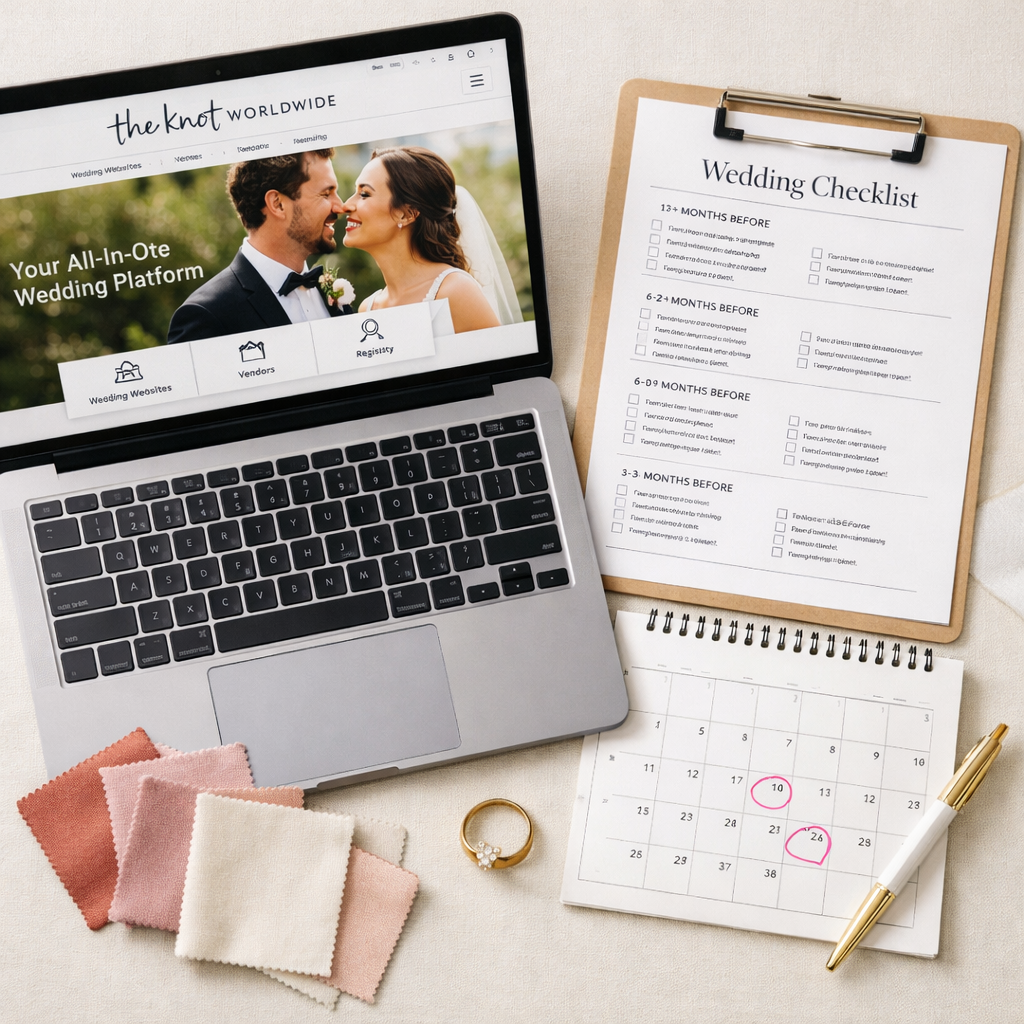
The Knot Worldwide Explained: Who They Are and Why It Matters
If you’re juggling school drop‑offs and seating charts, here’s the short version: The Knot Worldwide (TKWW) powers a family of planning brands that help you find vendors, build timelines, track budgets, and book pros for life’s big moments. Its marketplaces and tools shape how couples plan weddings, how small businesses get discovered, and even how birthday and holiday parties come together. Because TKWW sits between millions of buyers and nearly a million vendors, it influences pricing visibility, availability, and trends families actually encounter. This A Day in Mollywood guide breaks down what TKWW is, how its brands fit, what you can do on the platforms, and the practical safeguards that keep plans—and budgets—on track.
Short answer
The Knot Worldwide is a global celebration technology company behind The Knot, WeddingWire, Bodas.net, Hitched.co.uk, and more. TKWW reports it helps 4 million couples connect with roughly 900,000 vendors annually, underscoring its scale and influence on the market (see the 2025 Wedding Trends to Watch report). TKWW’s flagship Real Weddings Study informs planning tools and trend stories; its portfolio also spans parenting (The Bump) and parties (The Bash). It matters because the company’s marketplaces shape demand, pricing transparency, and the everyday tools families and small businesses rely on. At A Day in Mollywood, we translate that impact into practical steps for busy parents.
What The Knot Worldwide is
The Knot Worldwide is a global celebration technology platform and multi‑brand marketplace that connects couples and families with event vendors and planning tools. It operates a content‑to‑commerce model, turning inspiration into bookings, and leverages first‑party data to personalize checklists, timelines, and vendor recommendations.
TKWW’s portfolio spans The Knot and WeddingWire in the U.S., alongside localized marketplaces such as Bodas.net, Hitched.co.uk, Mariages.net, and Matrimonio.com. Adjacent brands include The Bump for pregnancy and parenting and The Bash for party entertainers. TKWW characterizes the U.S. wedding industry as a resilient $100 billion market, framing the company’s scale and stakes for families and local pros.
2026 Real Weddings Study press release
How TKWW’s brands fit together
Use this at‑a‑glance map to choose the right door for your moment.
| Brand | Purpose | Who it’s for |
|---|---|---|
| The Knot (U.S.) | Wedding discovery, planning tools, vendor marketplace, websites, registries | Engaged couples seeking inspiration-to-booking tools |
| WeddingWire (U.S.) | Wedding vendor search, reviews, planning tools | Couples who want broad vendor comparisons and reviews |
| Bodas.net, Hitched.co.uk, Mariages.net, Matrimonio.com | Localized wedding marketplaces and content | Couples planning in Spain, UK, France, Italy, and beyond |
| The Bump | Pregnancy and parenting content, tools, and product guidance | Expecting and new parents |
| The Bash | Party entertainers and event services marketplace | Families and planners booking birthdays, holidays, and corporate events |
In TKWW’s content‑to‑commerce flow, inspiration (articles, galleries, checklists) leads directly to vendor outreach and booking—reducing tab‑hopping for time‑pressed parents.
TKWW operates globally with a distributed workforce, headquartered in the Chevy Chase/Bethesda, Maryland area, supported by 10 office locations and employees in 15 countries, underscoring broad coverage and local relevance.
Envoy case study on TKWW’s global footprint
What couples can do on the platform
- Discover and compare vendors using filters for budget, location, availability, and style; browse portfolios, read reviews, and message pros directly.
- Use planning tools, timelines, and checklists informed by annual research; the 2026 Real Weddings Study surveyed 10,474 U.S. couples married in 2025, offering data‑backed benchmarks.
- Set realistic scope: recent findings report an average guest count of 117 and that couples typically hire 13 wedding professionals, helpful for budgeting and outreach pacing.
NatLawReview summary of the 2026 Real Weddings Study
Vendor marketplace (definition, ~50 words): A vendor marketplace is a two‑sided platform where couples and event pros meet, exchange messages, compare prices and portfolios, and book services. Profiles, filters, and reviews streamline discovery, while built‑in messaging and contracts help move from inquiry to deposit without endless emails, phone tags, or spreadsheets.
How vendors use the marketplace
- Set up a profile with category tags, service radius, and contact details.
- Publish pricing cues, packages, and a portfolio that highlights style and differentiators.
- Receive inquiries/leads, respond quickly with availability and estimates, and move to calls or tours.
- Send proposals and contracts, collect deposits, and manage timelines.
- Request reviews after events to build reputation and future demand.
From a scale perspective, TKWW says it matches about 4 million couples with roughly 900,000 vendors each year—meaning strong exposure for pros and abundant choice for families.
Pros for consumers: more options in one place, transparent reviews, and standardized messaging. Cons: response times can vary by vendor, and some pros report concerns about lead quality—so it pays to qualify inquiries and compare channels.
Why TKWW matters to families and small businesses
Because TKWW intermediates so much discovery and booking, its marketplace dynamics influence which vendors you see first, how transparent pricing appears, and how far out dates book in your area. In a resilient $100 billion U.S. wedding market, even small shifts ripple through local budgets and calendars.
For families, the ecosystem spans life stages: wedding planning through The Knot/WeddingWire, pregnancy and parenting via The Bump, and birthdays and holidays with The Bash—reducing decision fatigue by keeping tools, checklists, and trusted vendors under one roof. A Day in Mollywood connects those dots with simple checklists and timing cues.
Data, research and trends TKWW publishes
TKWW says it conducts research in a typical year with more than 100,000 couples, guests, and wedding pros globally, using these insights to power articles, tools, and product updates. The 2026 Real Weddings Study cites 10,474 U.S. couples, an average of 117 guests, and 13 pros per wedding—solid planning guardrails. We track these releases so our timelines and tips stay current.
Beyond weddings, TKWW’s Future of Celebrations report calls out “the rise of the joy economy,” with a return to in‑person gatherings to counter loneliness. Party spending per U.S. booking rose 6% year over year, and emerging categories climbed: saxophonists up 26%, singer‑guitarists up 11%, tarot readers up 11%. Trend snapshots include mariachi bands for adult birthdays, Santa for Christmas parties, face painting for kids’ birthdays, caricaturists for corporate events, and bagpipers for funerals. Geography and style shifts include U.S. vintage themes up 20%, Regency‑inspired invitations up 45%, UK woodland/festival weddings up 46% vs. 2024, and Spain demand for farmhouses/wineries up 24%.
Trend takeaways for busy parents:
| Trend | What it means for parents | Budget/Timing tip |
|---|---|---|
| Return to in‑person “joy economy” | More calendars filling with showers, birthdays, and reunions | Book venues 6–9 months out; secure core vendors first |
| Entertainer demand rising (sax, singers, tarot) | Specialty talent goes faster and costs more in peak seasons | Inquire 8–12 weeks earlier than last year |
| Holiday Santas and seasonal pros | December dates and weekend slots disappear quickly | Confirm by early fall; consider weekday events |
| Vintage/Regency aesthetics | Stationery and decor lead times are longer | Order invitations 3–4 months earlier for custom work |
| UK woodland/festival, Spain farmhouse/winery | Venue types with limited inventory book far ahead | Ask about midweek discounts and shoulder‑season rates |
Innovation and AI in planning tools
AI planning tools (definition, ~50 words): AI planning tools use first‑party data, your preferences, and real vendor performance to recommend matches, summarize reviews, and auto‑build timelines and checklists. They surface options you might miss, personalize reminders, and draft messages—aiming to reduce planning overwhelm without replacing the human judgment that secures the right fit.
TKWW emphasizes data and product innovation, from AI‑enabled planning features to incubations like the couples therapy app Lasting, developed within the organization and later acquired—an example of investing in relationship wellness adjacent to weddings. In recent research, TKWW notes Gen Z’s enthusiasm for marriage rose and AI adoption among couples doubled year over year, signaling growing comfort with AI‑assisted planning. At A Day in Mollywood, we use AI for shortlisting and let human judgment make the final call.
- Background on TKWW’s brand and innovation focus: Forbes interview with The Knot’s Dhanusha Sivajee
- Employer brand and storytelling in support of product recruiting: Employee stories case study
Quick vetting checklist for AI suggestions:
- Confirm budget fit against your ceiling and must‑haves.
- Open full reviews, not just summaries, for recent service quality.
- Message at least three vendors to compare responsiveness and scope.
- Verify contract clarity on deliverables, payment timing, and cancellations.
Trust, lead quality and marketplace tension
National reporting has described vendor complaints about “fake” inquiries and cited whistleblowers who contacted more than 115 current and former employees; a U.S. senator asked regulators to review alleged wrongdoing. TKWW responded, “We do not tolerate fraudulent practices,” stating it investigates and removes any misconduct reported.
New Yorker investigation into alleged lead issues
Context matters: two‑sided marketplaces must balance monetization (ads and subscriptions) with high lead quality and trust. For families, due diligence is the antidote. A Day in Mollywood favors clear next steps so parents can book confidently.
Practical safeguards:
- Ask vendors for a quick video intro or a reference call with a recent client.
- Compare details across channels (platform message vs. email) for consistency.
- Get payment schedules, refund terms, and cancellation windows in writing.
What parents should know before using TKWW
A calm, six‑step flow:
- Define must‑haves: date range, venue type, guest count, and top 3 priorities.
- Shortlist 5 vendors per category that fit budget and style.
- Message 3 with the same questions (availability, package, turnaround, fees).
- Compare in a simple table: price, availability, turnaround, reviews, and vibe.
- Hold a 15‑minute fit call or tour; confirm scope and backup plans.
- Book with clear contract milestones and calendar reminders for payments.
Use data guardrails: with an average 117 guests and 13 pros per wedding, stagger outreach to book highest‑impact vendors first (venue, planner, photo/video, catering), then layer in specialty pros.
Micro‑checklist for families with kids:
- Childcare plan for venue tours and tastings.
- Accessibility for strollers and elder guests.
- Quiet spaces for naps and sensory breaks.
- Vendor backup plans for illness, weather, and equipment.
Frequently asked questions
Who leads The Knot Worldwide and where is it based
TKWW is led by an executive team and operates globally, with headquarters in the Chevy Chase/Bethesda, Maryland area and additional offices supporting a distributed workforce. For current leadership details, see our TKWW leadership guide: https://adayinmollywood.com/posts/the-knot-worldwide-leadership-guide-2026-ceo-executives-board-investors/
How does The Knot Worldwide make money
TKWW earns revenue from vendor advertising and subscriptions across its marketplaces, plus related services and tools that connect couples and families to event professionals.
Is The Knot the same as WeddingWire
They’re sister brands under TKWW with similar cores—discovery, reviews, and tools—though each has unique content and regional strengths. On A Day in Mollywood, we suggest browsing both to widen options.
Do I have to pay to use The Knot’s planning tools
Most planning tools for couples are free, with optional paid upgrades or services depending on your needs. On A Day in Mollywood, we note common add‑ons to watch for.
How reliable are vendor reviews on these platforms
Reviews are helpful signals, but treat them as one input—cross‑check recent reviews, request references, and have a short call to confirm fit before booking. We recommend this simple vetting flow across A Day in Mollywood’s planning guides.